Fruit & Vegetable farming and horticulture

biostimulantsagriculture > Fruit & Vegetable farming and horticulture

Deeply rooted in rural areas and agricultural professions, market gardening and horticulture play a central role in production systems. These rich and diverse sectors bring together producers engaged in growing fruit, vegetables, herbs, flowers, trees, and shrubs.

Faced with current challenges, including climate change and water scarcity, expectations for these horticultural and market gardening professions are increasingly high. Harvest quality, production consistency, soil preservation… every parameter counts.

In this context, biostimulants offer new technical perspectives to support vegetable, fruit, flower, and nursery production. On this page, learn more about the crops concerned and the solutions available to meet the demands of the field.
Fruit and vegetable growing and horticulture: distinct and complementary crops

Fruit and vegetable growing

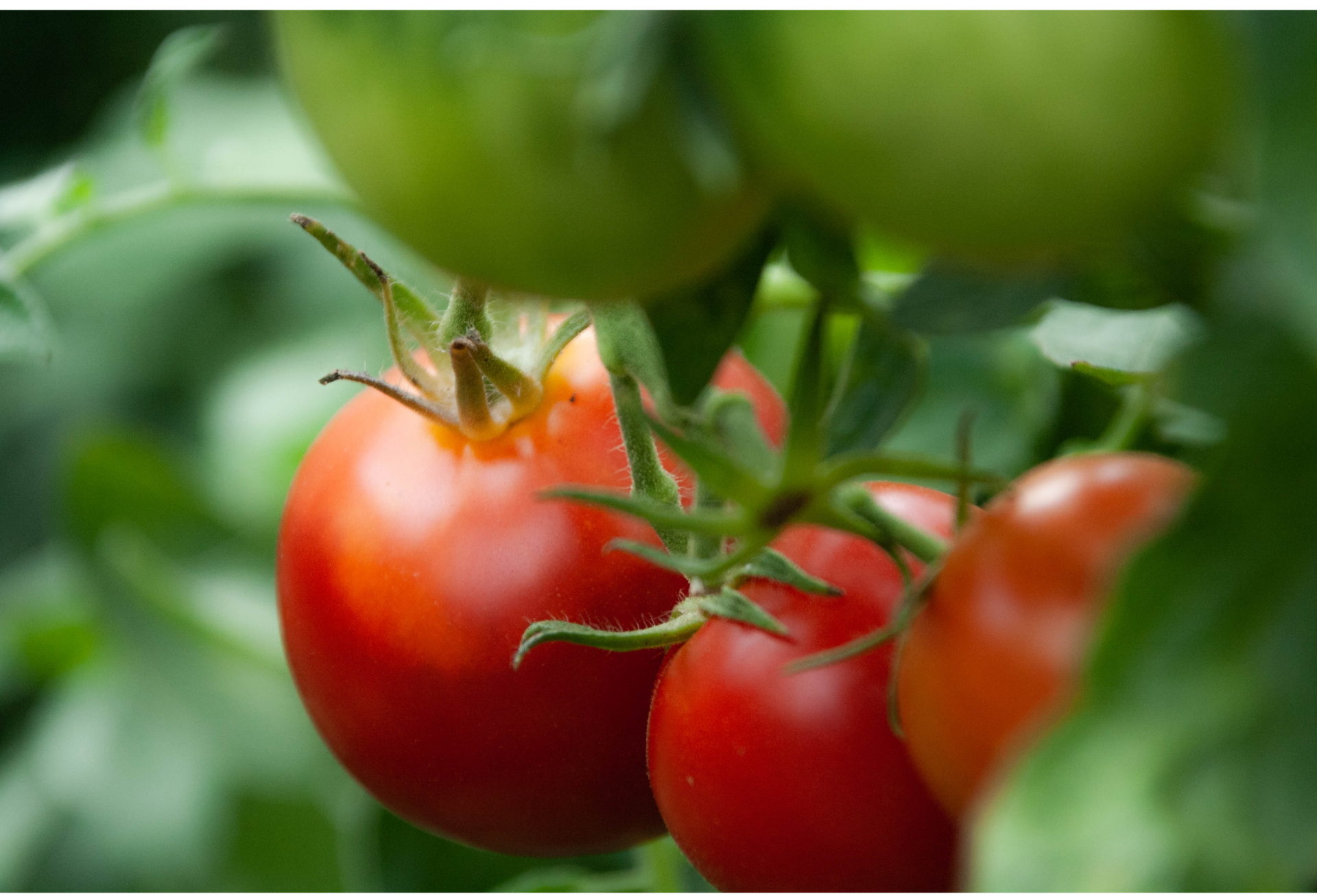
Fruit and vegetable growing and horticulture each occupy a specific place in the plant industry. Fruit and vegetable growing refers to the intensive cultivation of vegetables, often in open fields or under cover, for food production. It involves vegetable crops such as tomatoes, lettuce, carrots, and zucchini, which are grown on short cycles.

Horticulture

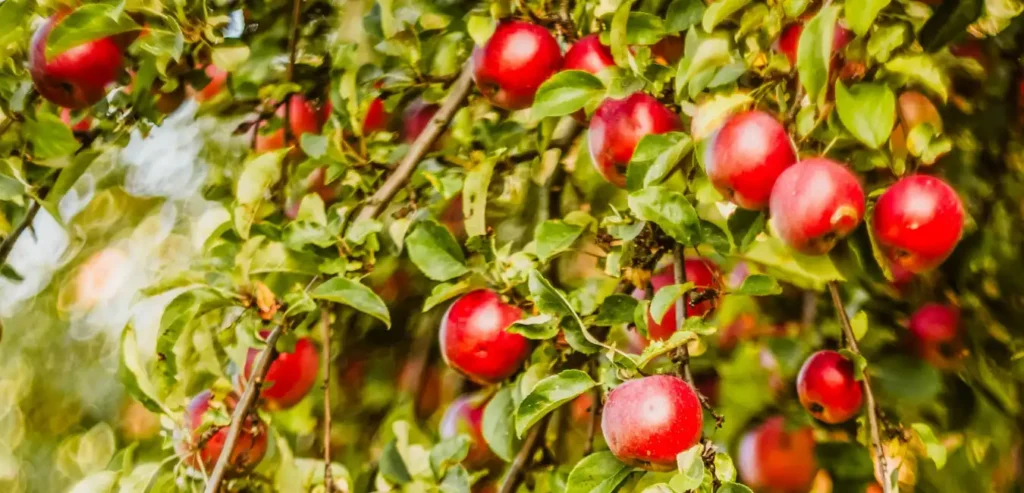
Horticulture, on the other hand, covers a wider range of production. It includes the cultivation of ornamental plants, flowers, trees, and shrubs, as well as aromatic and medicinal plants and fruits. This sector includes nurseries, specialized orchards, and small fruits such as strawberries and raspberries.

Although their purposes differ, these two sectors share many challenges: careful management of crop cycles, visual and health quality of plants, adaptation to climatic conditions, optimization of inputs, and final production quality. Market gardening and horticulture thus complement each other in their central role within sustainable agriculture.

Overview of the main vegetable and horticultural crops

Vegetable crops include a wide variety of vegetables grown in open fields or greenhouses: lettuce, spinach, tomatoes, carrots, radishes, zucchini, leeks, onions, etc. These vegetable crops, which often have a short cycle, require market gardeners to be highly responsive and pay constant attention to soil quality, irrigation, and climatic conditions.


Horticultural production covers a broader spectrum, with a wide variety of fruit, flowers, and aromatic plants grown depending on the region. These include cut flowers such as roses, gerberas, and chrysanthemums; potted plants (petunias, geraniums, kalanchoes); ornamental trees and shrubs (laurels, thujas, fruit bushes); and aromatic and medicinal plants such as basil, mint, lavender, and thyme. As for fruit, strawberry, raspberry, lemon, and apple trees are grown in both nurseries and orchards.

In all cases, whether vegetable, fruit, flower, or nursery crops, all these crops share high standards in terms of quality, consistency, and resilience to climatic hazards.

Yield, quality, climate: concrete agronomic challenges

Producers in both market gardening and horticulture face increasingly complex technical and environmental challenges. Climate instability, water scarcity, and growing health pressures require constant adaptation of farming practices.

Achieving a good yield is no longer enough:

  • it is also necessary to ensure consistent visual and taste quality,
  • preserve soil balance,
  • limit the use of plant protection products,
  • and extend the production period (starting in winter, for example).

However, horticultural and vegetable crops are particularly sensitive to abiotic stress: drought, excessive heat, cold, frost, deficiencies, salinity, etc. All these factors can slow plant growth and impact profitability.

Faced with these challenges, the plant industry must therefore combine agronomic rigor and technical innovation to ensure the economic viability of production. The ability to anticipate plants’ needs, strengthen their natural resilience, and adjust practices in real time has become an essential lever for securing production and operations.

Biostimulants: technical allies for market gardening and horticulture

Given current constraints, biostimulants offer a technical solution that complements traditional agricultural practices. They support plants throughout the different stages of their development, strengthening their physiology and their ability to cope with water, heat, or nutritional stress.

In horticultural and vegetable production, biostimulants can help to:

Applied as a basic treatment or in response to a specific situation, they can be integrated into specific technical itineraries, not as a substitute for fertilization or plant protection, but acting in synergy with them.

Regardless of their composition—based on algae extracts, amino acids, microorganisms, fulvic and humic acids, or plant extracts—their effectiveness relies on detailed knowledge of crops and controlled application conditions. For vegetable and horticultural producers, biostimulants are thus becoming a valuable agronomic lever for improving resilience, securing yields, and meeting the growing demands of the industry.


Innovate without compromising performance thanks to biostimulants

For horticultural and vegetable crops, balancing agronomic requirements, climate adaptation, and sustainability is becoming essential. By providing targeted, natural solutions to plants’ needs, biostimulants are emerging as the way forward for better, more peaceful, and more sustainable farming, whether you are a vegetable grower or a horticulturist.

Follow our news

Agrauxine and Yeast Efficiency: Yeast-based biostimulants for agriculture

What is Yeast Efficiency? Agrauxine by Lesaffre is pleased to introduce you to the Yeast Efficiency* concept to showcase innovative yeast-based biostimulants. This approach combines scientific expertise and sustainable production to address the challenges of modern agriculture, such as reducing the use of chemical inputs, preserving soil health, and adopting agroecological practices.The objectives of yeast […]

New Biostimulants-Agriculture Website: Your Go-To Source for Information on Biostimulants!

We are thrilled to announce the update of our Biostimulants-Agriculture.com website!   Designed to help farmers and agricultural professionals better understand the role of biostimulants in agriculture, it now provides detailed information on: What biostimulants are, How they are produced and how they work, How they can secure and optimize agricultural yields, The market and […]

Agrauxine’s game-changing Yeast Efficiency: a range of yeast-based biostimulants!

Unveiled at the end of November at the Biostimulants World Congress 2023 in Milan, Yeast Efficiency is rethinking the rules of biostimulation with a range of yeast-based solutions. Innovative, sustainable and high-performance products designed by Agrauxine, which have won over distributors, producers, scientists and stakeholders in the world of agriculture seeking cost-effective and environmentally-friendly solutions. […]

Contacts

Retrouvez nos coordonnées ci-dessous ou sur les réseaux sociaux

7 avenue du Grand Périgné – 49070 Beaucouzé – France

+33 (0)2 41 77 80 77

contact-agx@agrauxine.lesaffre.com

Une question ?

Vous avez un projet? Contactez-nous que nous en discutions avec le formulaire ci-dessous.