Optimizing plant nutrition

biostimulantsagriculture > Optimizing plant nutrition

Growth, resistance, production: crop performance depends largely on nutrition. Plants draw the elements they need for development from the soil, water, and air, so avoiding imbalances and deficiencies is a real challenge.

In a context of agronomic and environmental pressure, optimizing plant nutrition is becoming a strategic lever. This page offers you a better understanding of how plant nutrition works, identifies essential nutrients, and shows you how biostimulants can sustainably improve the assimilation and availability of nutrients.
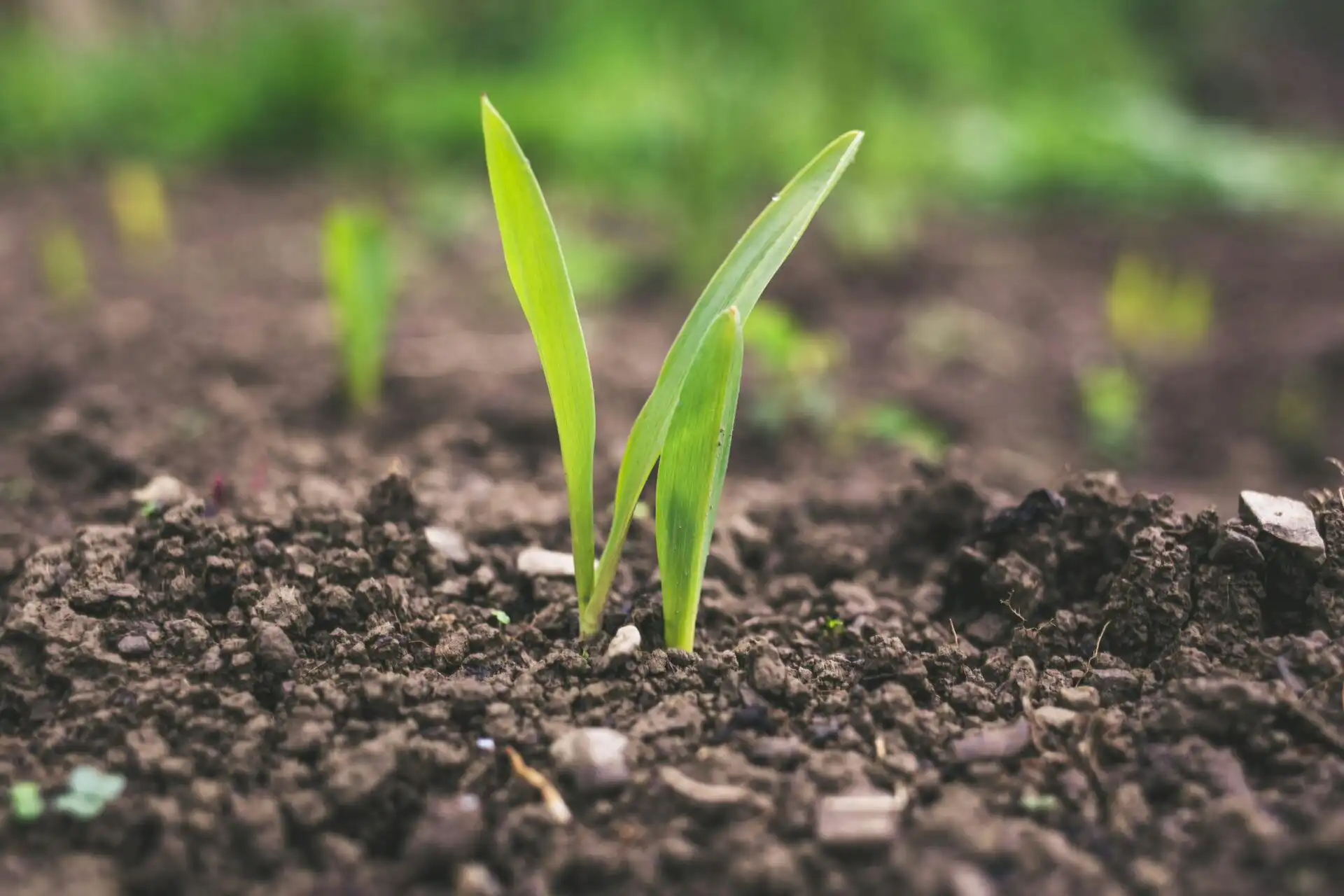

Plant nutrition: how do plants feed themselves?

Plant nutrition refers to all the processes by which a plant absorbs, transports, and uses the elements necessary for its growth. Unlike animals, plants produce their own organic matter through photosynthesis, using water, carbon dioxide, and light. However, this autotrophy is not enough: to ensure their development, plants need to absorb nutrients present in the soil in the form of mineral ions.

This absorption occurs mainly through the roots, at the level of the absorbent hairs, which draw up water and dissolved mineral salts. These elements are then transported to the leaves and other organs through the conducting vessels (xylem and phloem).

The availability of these nutrients in the soil depends on many factors: soil structure, organic matter, microbial activity, pH, humidity, etc. Good plant nutrition therefore requires a complex balance between the plant, the soil, water, and environmental conditions.

What are the essential nutrients for plants?

To ensure their development and reproduction, plants need a balanced set of mineral elements. These nutrients play a key role in tissue formation, photosynthesis, energy production, and resistance to abiotic stress. A distinction is generally made between major elements (or macroelements) and trace elements (or microelements), all of which are essential for the proper functioning of the plant.

The main nutrients

  • Nitrogen (N): vegetative growth, amino acid synthesis
  • Phosphorus (P): rooting, cellular energy, flowering
  • Potassium (K): water regulation, resistance
  • Calcium (Ca): cell wall structure, root development
  • Magnesium (Mg): chlorophyll, photosynthesis
  • Sulfur (S): proteins, resistance to stress and disease.

Essential trace elements

Iron, manganese, zinc, copper, boron, molybdenum… A deficiency or imbalance in these trace elements can quickly slow growth, alter crop quality, or make crops more vulnerable to stress factors.

Nutritional deficiencies: how to identify and prevent them?

In plant nutrition, a nutritional deficiency results in a lack or poor assimilation of an essential element by the plant. Symptoms vary depending on the nutrient concerned, but certain signs are telltale: yellowing of the leaves (chlorosis), brown spots, deformation of organs, slowed growth, disrupted flowering, or premature leaf fall.

To prevent these imbalances, simply adding fertilizers in quantity is not enough: it is necessary to ensure that the nutrients are available, assimilable and present in balanced proportions. The structure of the soil, its biological activity, its pH or the competition between elements play a decisive role. Careful observation, coupled with regular analyses and the integration of solutions such as biostimulants, makes it possible to anticipate deficiencies and maintain optimal plant nutrition.

Plant nutrition and yield: a direct link to optimize

Plant nutrition not only conditions the health of plants: it directly influences their ability to produce. A balanced supply of nutrients supports photosynthesis, promotes root development, stimulates flowering and improves the quality of harvested fruits, vegetables or grains. A well-nourished plant is more resistant to abiotic stresses and more productive.

Conversely, a deficiency or excess of a single element can penalize agricultural yield, sometimes without immediate visible symptoms. Optimizing nutrition thus makes it possible to secure productivity, but also to improve harvests: size, color, dry matter content, storage life… A real asset for farmers in a context of increasing economic and environmental pressure.

Biostimulation and plant nutrition: a natural and effective synergy

Biostimulants do not replace plant protection products or fertilizers, but they multiply their effectiveness by acting on the plant and its environment. In plant nutrition, their role is multiple: they improve nutrient uptake, stimulate root activity, and promote the mobilization of elements in the rhizosphere.

Some biostimulants, based on amino acids, beneficial microorganisms or plant extracts, strengthen the activity of the absorbing hairs and increase the exchange surface between the roots and the soil solution. Others stimulate the genetic expression of certain nutrient transporters, allowing more efficient assimilation of nitrogen, phosphorus or calcium, even under limiting conditions.

In addition, some products act on soil fertility by stimulating microbial activity, improving soil structure and releasing blocked mineral elements. Integrating biostimulation into a reasoned technical itinerary thus makes it possible to optimize the mineral nutrition of plants, while reducing losses and improving the overall resilience of crops.

Promote efficient plant nutrition with biostimulants

Adopt a modern agronomic approach by focusing on the synergy between mineral nutrition and biostimulation. By improving nutrient assimilation, biostimulants enhance the growth, resilience and quality of crops, while preserving the soil. So, for more effective, sustainable and adapted fertilization to current agricultural challenges, integrate biostimulants into your technical itineraries today.

Follow our News

Agrauxine and Yeast Efficiency: Yeast-based biostimulants for agriculture

What is Yeast Efficiency? Agrauxine by Lesaffre is pleased to introduce you to the Yeast Efficiency* concept to showcase innovative yeast-based biostimulants. This approach combines scientific expertise and sustainable production to address the challenges of modern agriculture, such as reducing the use of chemical inputs, preserving soil health, and adopting agroecological practices.The objectives of yeast […]

New Biostimulants-Agriculture Website: Your Go-To Source for Information on Biostimulants!

We are thrilled to announce the update of our Biostimulants-Agriculture.com website!   Designed to help farmers and agricultural professionals better understand the role of biostimulants in agriculture, it now provides detailed information on: What biostimulants are, How they are produced and how they work, How they can secure and optimize agricultural yields, The market and […]

Agrauxine’s game-changing Yeast Efficiency: a range of yeast-based biostimulants!

Unveiled at the end of November at the Biostimulants World Congress 2023 in Milan, Yeast Efficiency is rethinking the rules of biostimulation with a range of yeast-based solutions. Innovative, sustainable and high-performance products designed by Agrauxine, which have won over distributors, producers, scientists and stakeholders in the world of agriculture seeking cost-effective and environmentally-friendly solutions. […]

Contacts

Retrouvez nos coordonnées ci-dessous ou sur les réseaux sociaux

7 avenue du Grand Périgné – 49070 Beaucouzé – France

+33 (0)2 41 77 80 77

contact-agx@agrauxine.lesaffre.com

Une question ?

Vous avez un projet? Contactez-nous que nous en discutions avec le formulaire ci-dessous.