Appearing hundreds of millions of years ago and then domesticated by humans, yeast is now the most widely consumed microorganism in the world. Although we mainly know it for its role in the fermentation of bread and spirits, its use extends far beyond these applications.
But do you really know yeast and what makes it such a valuable ally in biostimulation?
Yeast: definition and characterization
Yeasts: symbiotic fungi
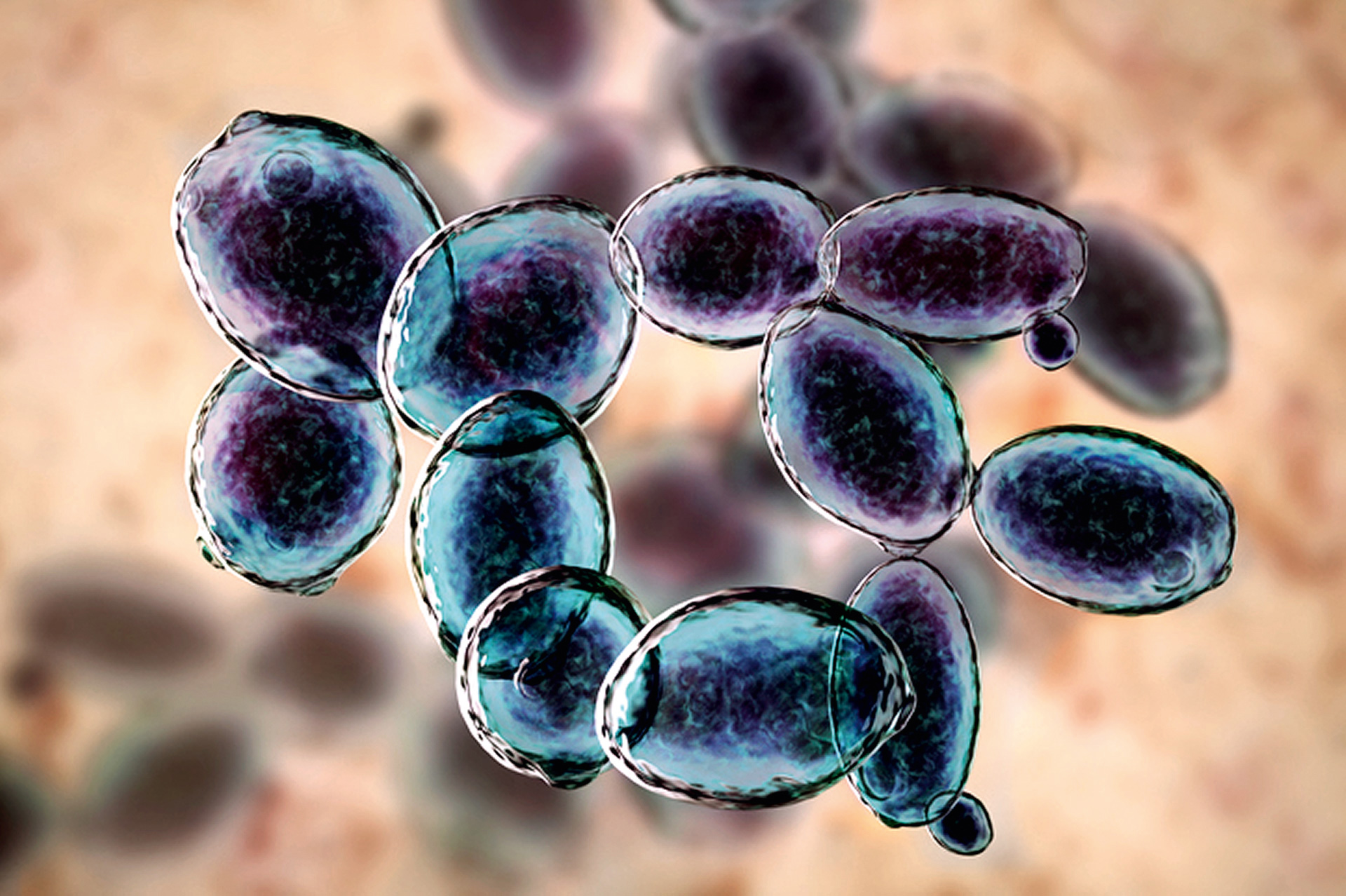
Yeasts are single-celled microorganisms belonging to the fungi kingdom. Please note! Yeast is not mold, but a single-celled organism like bacteria. However, yeast differs from bacteria in terms of its complexity.
These organisms are so small that they are smaller than a grain of sand, so small that a 1 cm³ cube of fresh yeast can contain up to 10 billion of them.
They occur naturally in the environment, but cannot produce their own food and often have to form associations with other organisms. This symbiosis benefits both the yeast and the host, whether it be a plant, animal, or other microorganism.
The yeast or yeasts?
The term “yeast” does not refer to a single species, but rather a group of species. More than 2,000 different wild species have been identified to date.
However, “yeast” can be used to describe baker’s yeast or brewer’s yeast: Saccharomyces cerevisiae, which is currently the most widely used in the fermentation industry and the most studied.
Did you know that the first proven use of yeast dates back to ancient Egypt? At that time, it was used for bread making, although its function was not known. Today, yeast is well understood and its uses range from the food, health, and wellness industries to agriculture, but are you familiar with its effects in biostimulation?
Yeast and derivatives
Yeast contains many compounds with numerous beneficial properties. These elements are varied in nature, including vitamins, amino acids, and hormones.
However, how can we reap their benefits?
We can obtain derivatives through various industrial processes, such as:
- Autolysis, which is the digestion of the cell wall by yeast enzymes. This process separates the cell wall from its internal contents.
- Fermentation is a complex metabolic mechanism in yeast that occurs both in the presence and absence of oxygen. Under anaerobic conditions, fermentation ensures the creation of energy through the consumption of sugars, which produces alcohol. But fermentation is also the process by which yeast multiplies in the presence of oxygen. It is through this process that yeast releases a variety of key compounds, such as amino acids, phytohormones, and other organic compounds.
What are the effects of yeast in biostimulation?
Once we have obtained these derivatives, how does it work?
Yeast-based biostimulants are characterized by a complex combination of elements that vary according to several parameters: the strain, the type of derivatives, the raw materials used, etc. Thus, the source of the effect of a yeast-based biostimulant depends on the composition of the solution. Depending on the concentration of hormones, amino acids, and vitamins present, the effects on the plant will not be the same. In biostimulation, we can identify three effects:
- Stimulate plant metabolism
- Improving plant growth
Let’s take a closer look to understand how yeast works in biostimulation.
Fermentation metabolites and the fight against abiotic stress
First, we might ask ourselves why we should combat abiotic stress.
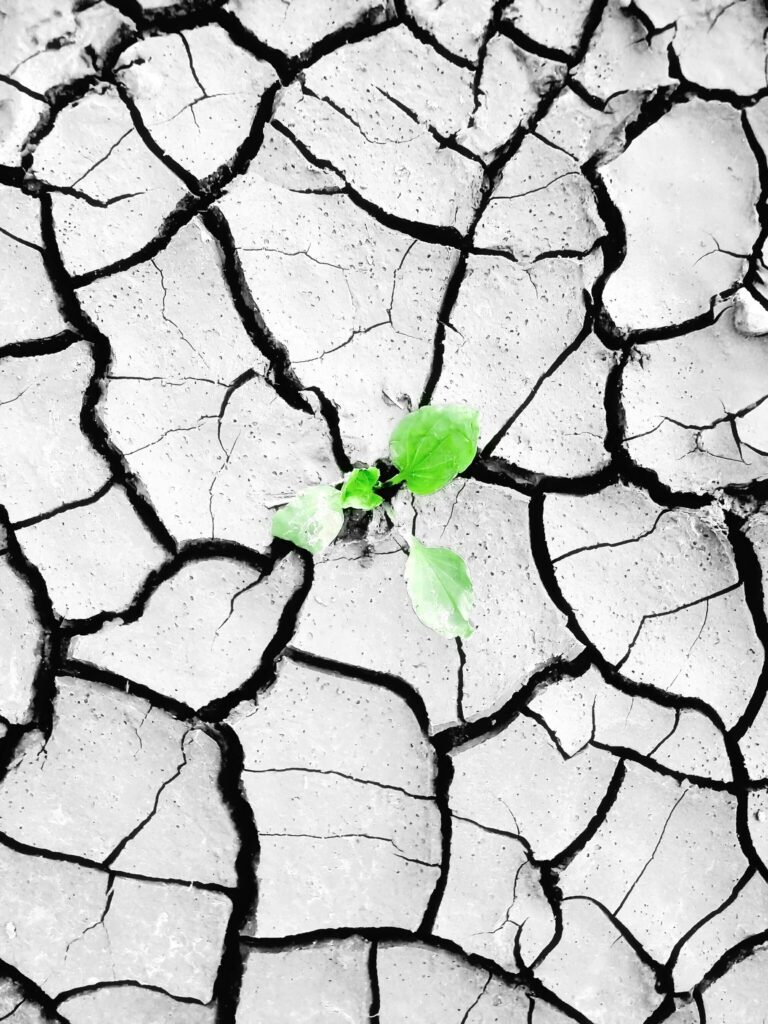
Quite simply because global warming increases the frequency of these abiotic stresses, to such an extent that today, more than three-quarters of crops are affected by them every year, and these stresses can cause up to 50% yield losses. But how can we deal with this?
Biostimulants based on yeast fermentation metabolites are rich in hormones, amino acids, and other organic compounds that have a direct effect on the plant’s response to these stresses. They have several actions:
- Optimize energy metabolism by maintaining photosynthetic activity and thus plant nutrition.
- Promote the synthesis of antioxidants and the concentration of osmoprotectants by the plant, limiting water loss through transpiration from cells and leaves.
These combined actions limit the senescence of the plant’s organs, particularly during flowering, thereby maintaining yields.
Yeast extracts: promising growth and quality
Biostimulants based on yeast extracts have a different action thanks to their composition. Rich in amino acids and vitamins, they provide plants with nutrients that promote energy and metabolic balance. These biostimulants regulate the expression of different metabolic pathways, optimizing fruit development:
- Improving their growth
- Homogenizing their maturation
- Increasing their quality
Yeast autolysates and yield optimization
Biostimulants based on yeast autolysates have a combined effect on plants, boosting yields. The combination of vitamins, amino acids, and hormones naturally produced by yeast optimizes metabolism in several ways:
- Increases photosynthetic activity
- Promotes the development of flowers and fruits
- Promotes plant growth and root biomass
Yeast and its derivatives thus represent a sustainable and economical opportunity for farmers. The flexibility of the derivatives’ action allows them to fulfill several promising functions to improve plant growth and resist abiotic stress.
The multifunctionality of yeast and its modes of action is also reflected in the diversity of strategies in which it can be used in conventional and organic agriculture.
To learn more about yeast’s capabilities and modes of action, Agrauxine has developed the concept of “Yeast Efficiency,” an innovative approach that leverages the many facets of yeast, applying it to biostimulation, biocontrol, and crop bionutrition.
Follow our news

Agrauxine and Yeast Efficiency: Yeast-based biostimulants for agriculture
What is Yeast Efficiency? Agrauxine by Lesaffre is pleased to introduce you to the Yeast Efficiency* concept to showcase innovative yeast-based biostimulants. This approach combines scientific expertise and sustainable production to address the challenges of modern agriculture, such as reducing the use of chemical inputs, preserving soil health, and adopting agroecological practices.The objectives of yeast […]

New Biostimulants-Agriculture Website: Your Go-To Source for Information on Biostimulants!
We are thrilled to announce the update of our Biostimulants-Agriculture.com website! Designed to help farmers and agricultural professionals better understand the role of biostimulants in agriculture, it now provides detailed information on: What biostimulants are, How they are produced and how they work, How they can secure and optimize agricultural yields, The market and […]
Agrauxine’s game-changing Yeast Efficiency: a range of yeast-based biostimulants!
Unveiled at the end of November at the Biostimulants World Congress 2023 in Milan, Yeast Efficiency is rethinking the rules of biostimulation with a range of yeast-based solutions. Innovative, sustainable and high-performance products designed by Agrauxine, which have won over distributors, producers, scientists and stakeholders in the world of agriculture seeking cost-effective and environmentally-friendly solutions. […]
Contacts
Retrouvez nos coordonnées ci-dessous ou sur les réseaux sociaux
7 avenue du Grand Périgné – 49070 Beaucouzé – France
+33 (0)2 41 77 80 77
Une question ?
Vous avez un projet? Contactez-nous que nous en discutions avec le formulaire ci-dessous.